The Modernization of Kankaanpää District Heating Network
Towards Autonomous District Heating
01 – Summary
The modernization of the Kankaanpää district heating network, managed by Vatajankoski from 2022 to 2024, has transformed the system into a sustainable and efficient energy solution. Originally reliant on fossil fuels since its inception in 1980, the system now incorporates renewable energy sources and cutting-edge technologies including some the World’s and Finland’s first utilizations.
Key advancements include the implementation of a digital twin platform for real-time optimization and a waste heat plant that leverages heat from industrial processes and data centers. Additionally, a flue gas scrubber was added to increase CHP plant efficiency. Data centres among with an e-boiler and heat buffers were introduced for system reliability and for utilization of low-cost spot electricity as non-combustion based energy source.
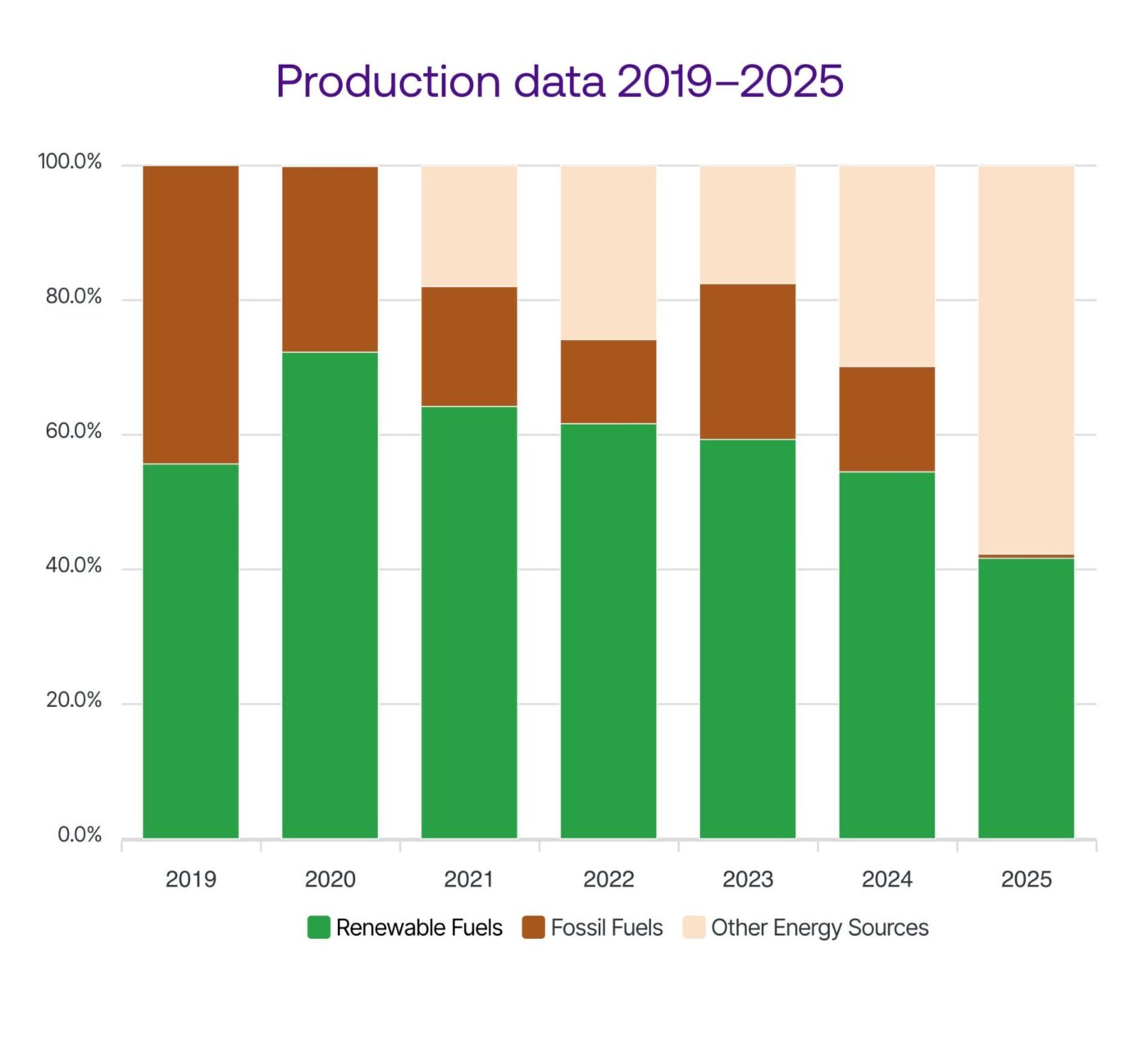
Covering the central city area of Kankaanpää and parts of Niinisalo, the network serves 100% of the city’s district heating market, providing energy to residential, commercial, and industrial facilities. The modernization updated reduced average facility ages and improved system reliability, achieving a delivery reliability rate of 99.94% in 2024. As a result of the upgrades done in the previous years, carbon emissions have dropped by 72% between 2019 and 2024, and energy efficiency rose to 89.90%, with most energy now derived from renewable and surplus heat sources. This project underscores Vatajankoski’s commitment to clean and resilient energy and serves as a model for sustainable energy systems worldwide.
02 – The modernization project (2022–2024)
The modernization of the Kankaanpää district heating network, undertaken by Vatajankoski, represents a significant leap towards sustainable and efficient energy solutions. This project, spanning from May 2022 to October 2024, involved the integration of innovative technologies and renewable energy sources to replace fossil fuels and enhance the overall efficiency of the system. Key highlights include the implementation of a digital twin platform, the introduction of the world’s first sand battery, and the utilization of waste heat from industrial processes and data centers. These advancements have resulted in a substantial reduction in carbon emissions, improved energy efficiency, and enhanced reliability of the district heating network.
03 – System history
The Kankaanpää district heating network has been in operation since 1980. The CHP production plant was constructed in 1992. Initially, the system relied on fossil fuels, including peat, for energy production. However, in response to the growing need for sustainable energy solutions and the global push towards reducing carbon emissions, Vatajankoski embarked on a comprehensive modernization project in 2022. This project aimed to transition the network to renewable energy sources and incorporate advanced technologies to optimize its operation. More information in the brief video about Kankaanpää district heating network (2024)
04 – Configuration of Production Units
The modernization project introduced several new production units and technologies to the Kankaanpää district heating network:
- Digital Twin Platform: Vatajankoski partnered with a Dutch company Gradyent to implement a digital twin platform. This technology provides real-time insights into the network’s behavior, enabling operators to identify issues and optimize supply temperatures and production portfolio operations. The digital twin helps reduce heat losses, energy costs, and CO2 emissions. More information: Gradyent’s article about the digital twin platform.
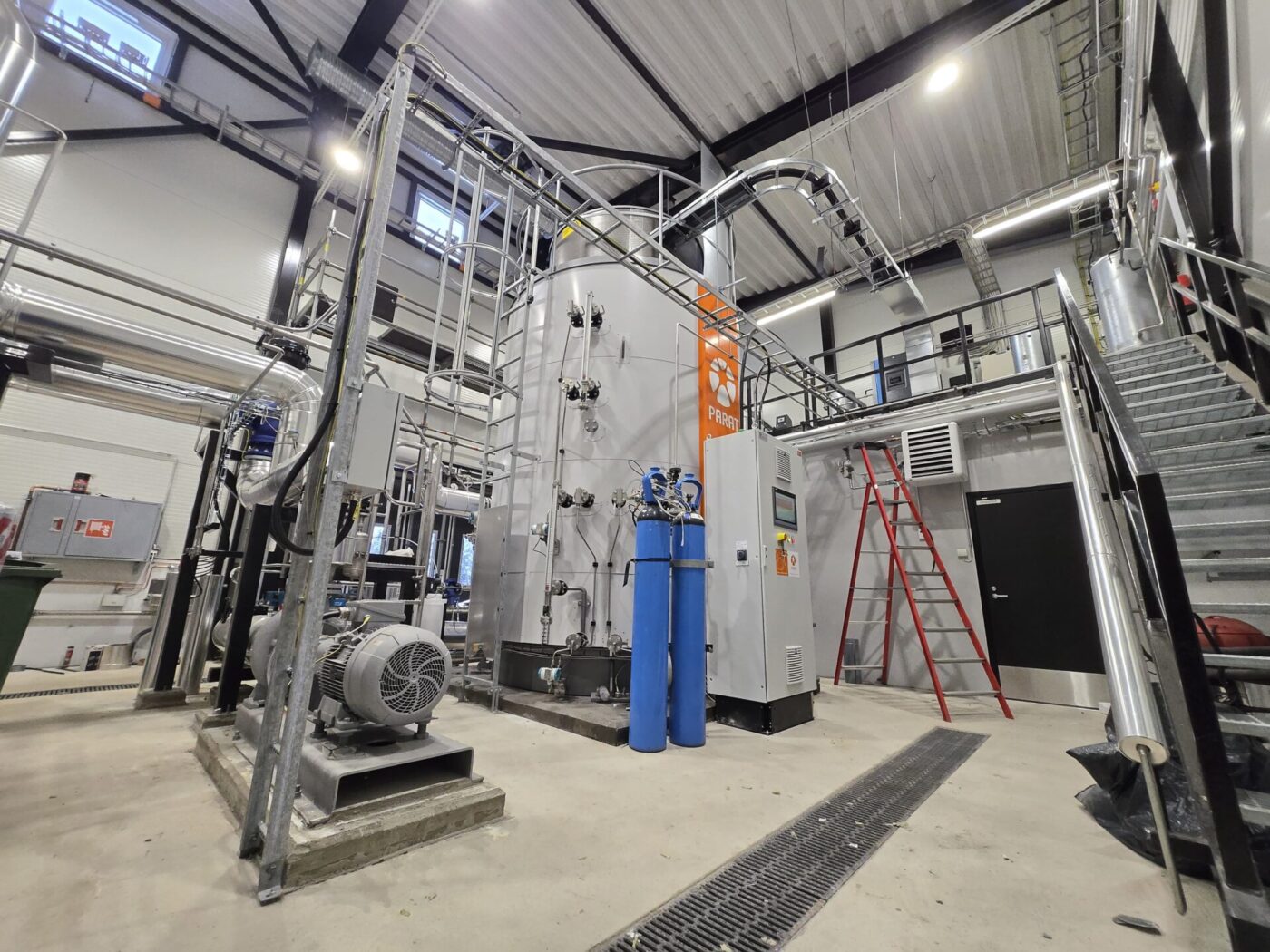
- E-Boiler and Heat Buffers: The project included the installation of an e-boiler and heat buffers to enhance system flexibility and reliability. The e-boiler allows for the production of heat using electricity, while the heat buffers store excess heat for later use.
- Flue Gas Scrubber: A flue gas scrubber was installed to capture heat from the flue gases of the combined heat and power (CHP) plant. This technology increases the plant’s efficiency and reduces the use of wood fuels.
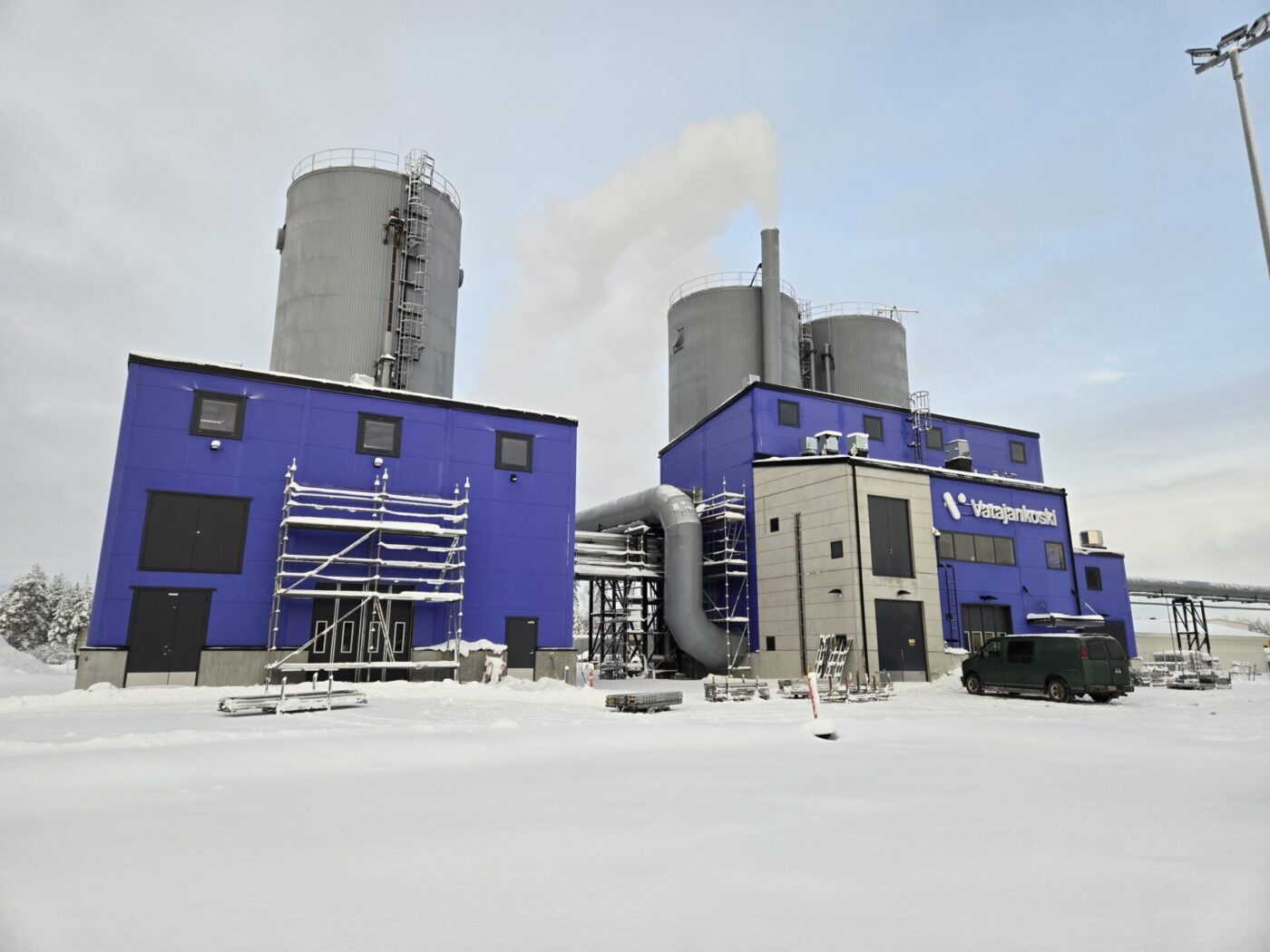
- Data centres: During the project, two data centers with total power of 4 MW (including one heat pump) were installed at Kankaanpää Power Plant. The waste heat from the servers is captured and directed to the district heating network. These data centres produced 35% of Kankaanpää’s district heating needs.
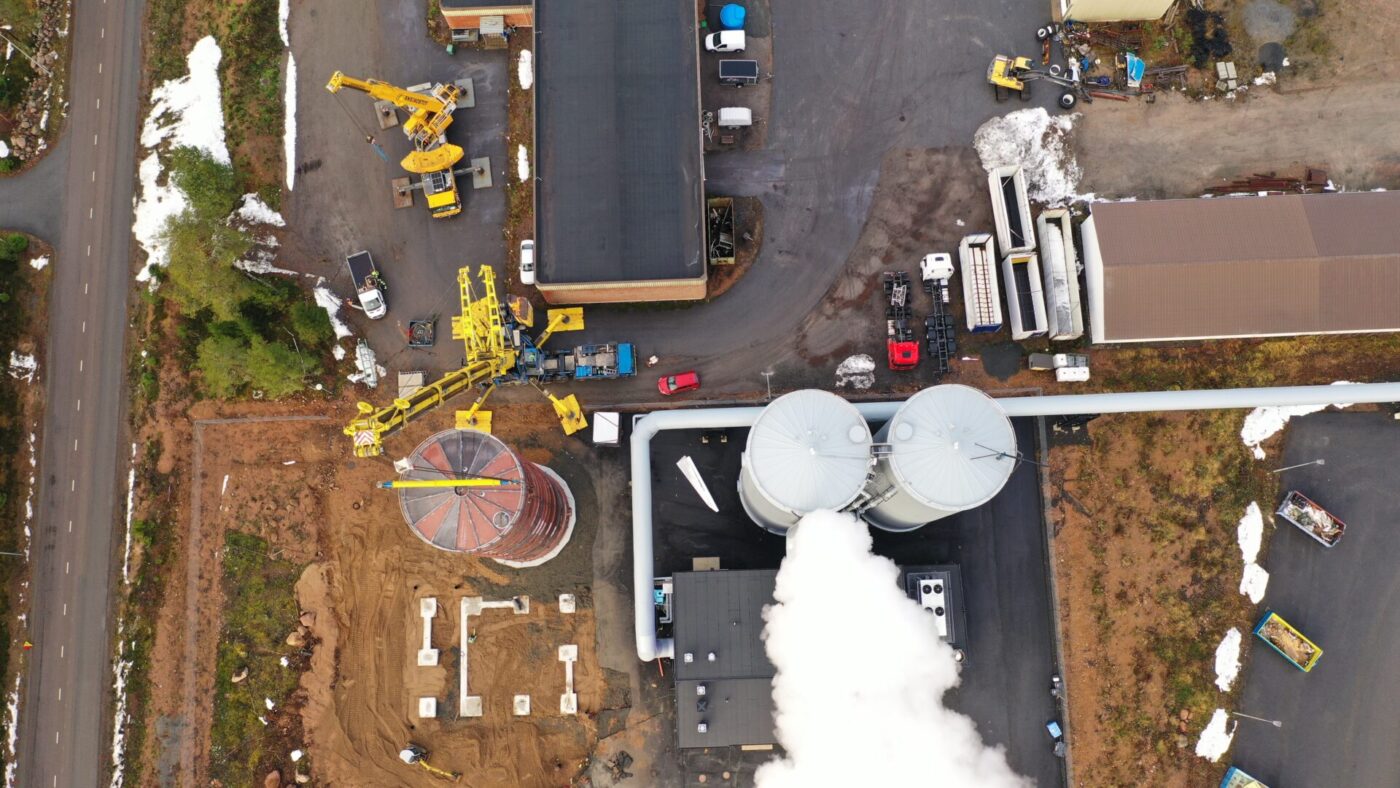
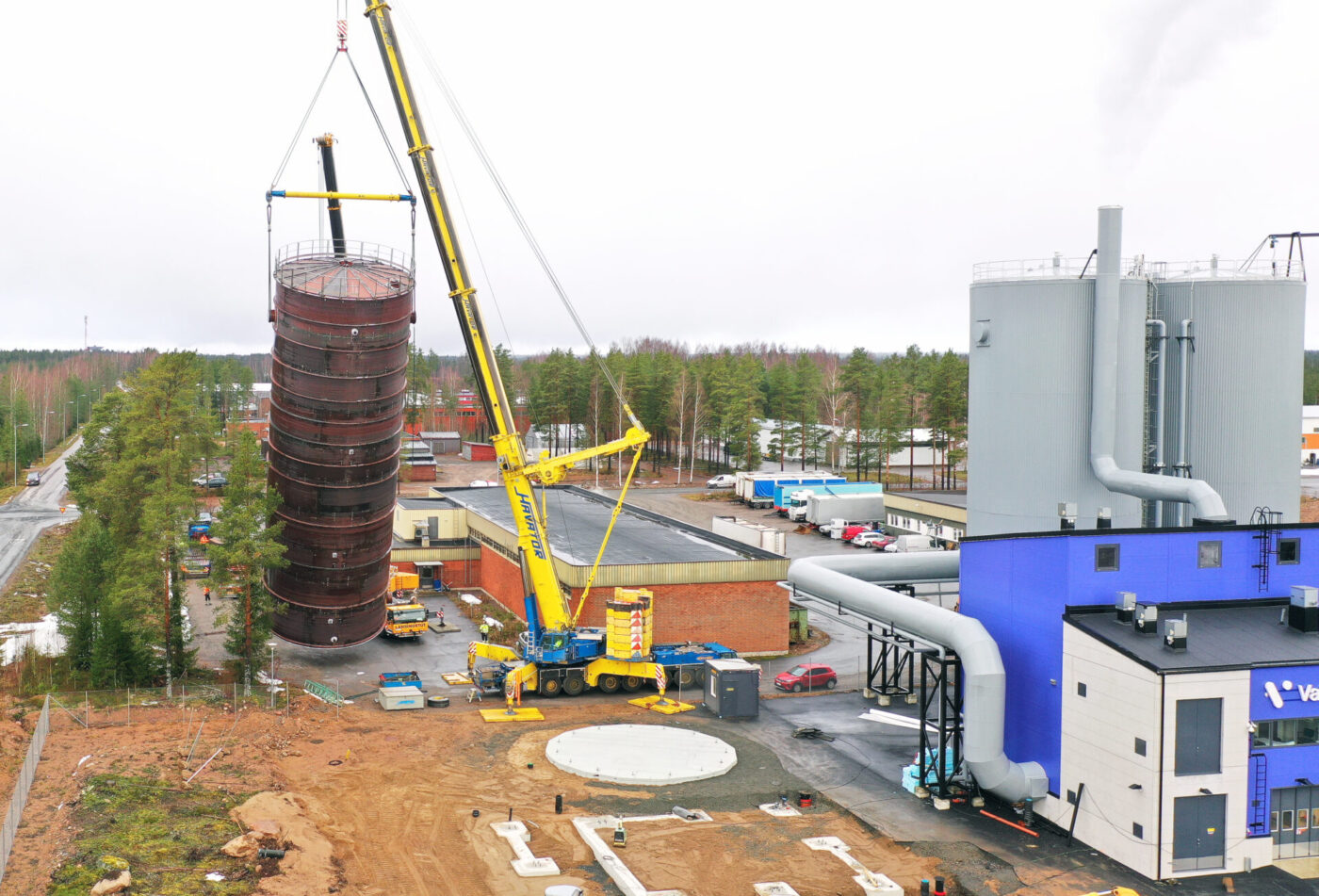
- Sand Battery: The world’s first sand battery was introduced as part of the modernization project. This innovative energy storage solution has gained global attention for its ability to store and release heat efficiently. More information: BBC News video about the sand battery.
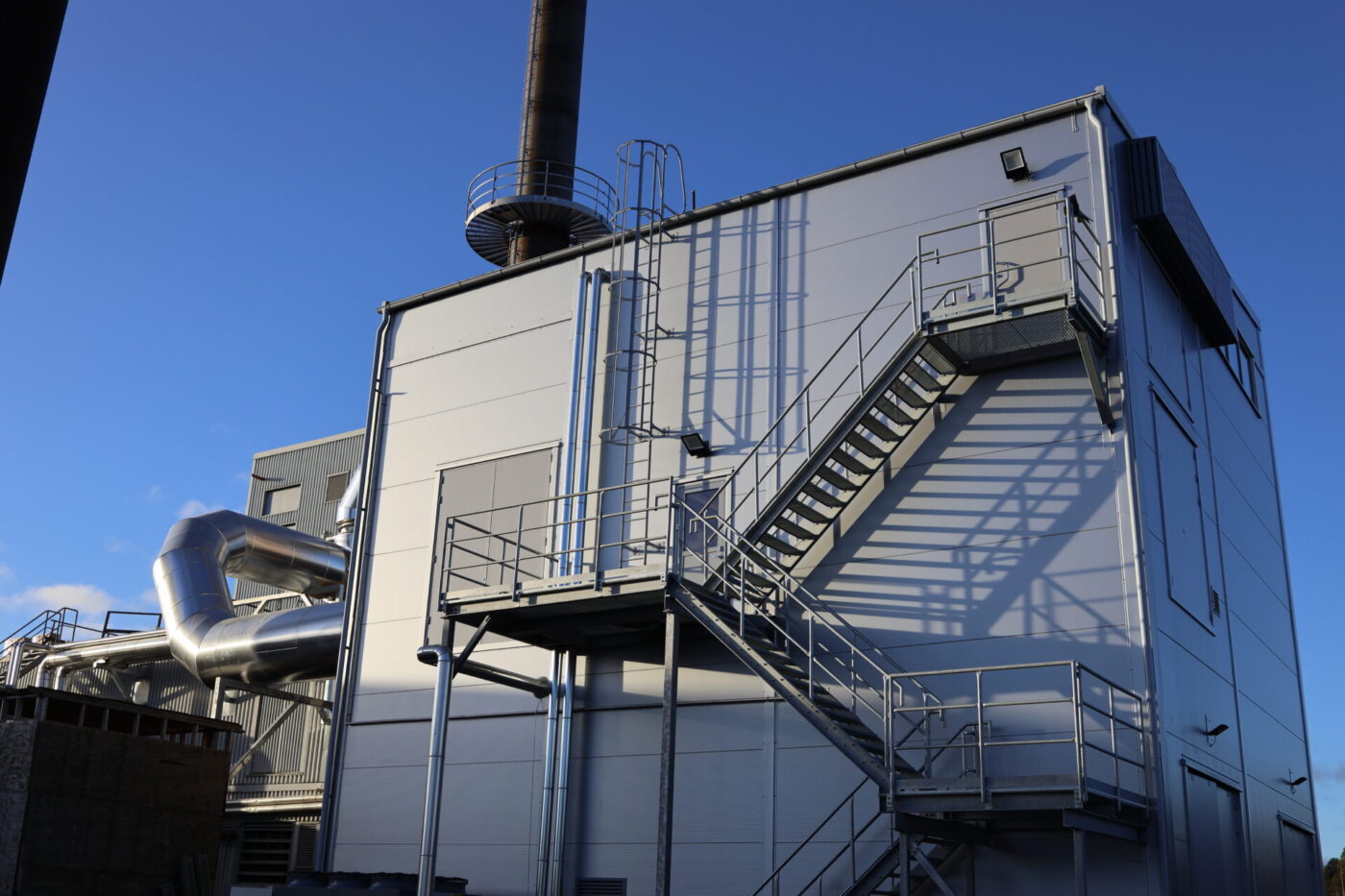
- Waste Heat Plant: A waste heat plant was established to capture and utilize excess heat from industrial processes and data centers. This plant significantly contributes to the overall efficiency of the energy system. More information in the video of the waste heat plant.
05 – About the distribution network
The distribution network of the Kankaanpää district heating system covers the central city area with parts of Niinisalo, serving a wide range of buildings and customer facilities. The network utilizes pressurized hot water as the primary energy carrier, ensuring efficient heat transfer to end-users. The modernization project also focused on reducing heat losses in the distribution network by replacing old heat exchangers and optimizing the return temperatures.
The Kankaanpää district heating network serves 100% of the city’s district heating market. This includes residential, commercial, and industrial buildings, covering a significant portion of the city’s total square footage. There are some 100 houses and 400 block houses connected to the district heating network among industrial operators and municipal infrastructure (schools, etc.) The Kankaanpää district heating network provides affordable heat to between 5,000 and 10,000 people, depending on the calculation method.


Impact and benefits
The modernization of the Kankaanpää district heating network has yielded several notable benefits:
- Reduction in Carbon Emissions: The transition to renewable energy sources and the utilization of waste heat have resulted in a 72% reduction in carbon emissions from 2019 to 2024.
- Energy Efficiency: The overall system efficiency has improved to 89.90%, with a significant portion of the energy production now coming from renewable and surplus heat sources.
- Reliability and Resilience: The decentralized and modular approach to energy production, combined with the digital twin technology, has enhanced the reliability and resilience of the system. The network achieved a delivery reliability rate of 99.94% in 2024.
- Economic Growth and Development: The modernization project has fostered economic growth and development in the local area by providing a cost-effective and environmentally friendly heating solution.
- Energy Security and Fuel Flexibility: The integration of multiple energy sources and the ability to switch to backup fuels ensure continuous energy supply during disruptions, contributing to energy security.
- World-wide recognition as a frontrunner in the energy sector: Vatajankoski’s pioneering spirit has garnered global attention, being recognized by some of the world’s most prestigious media outlets, including BBC, Washington Post.
Conclusion
The modernization of the Kankaanpää district heating network represents a significant achievement in the transition towards sustainable and efficient energy solutions. By incorporating innovative technologies and renewable energy sources, Vatajankoski has created a robust and adaptable energy infrastructure that not only reduces carbon emissions but also enhances the reliability and efficiency of the district heating system. This project serves as a model for other communities seeking to modernize their energy systems and contribute to the global clean energy transition.